
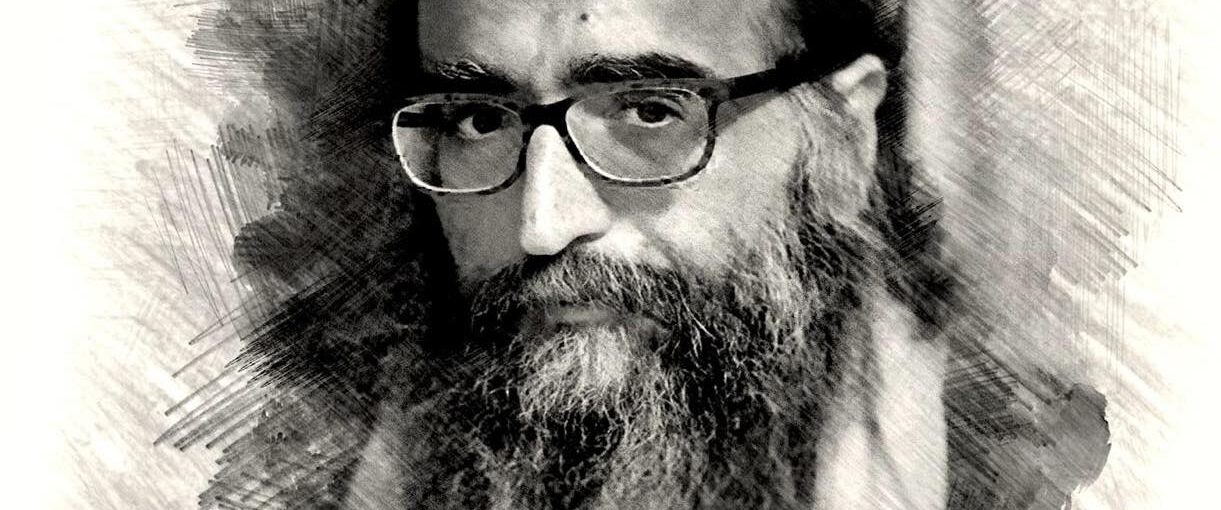
Unlocking the Secrets of Elul: How to Win Every Battle and Internalize True Purity
As we enter the holy month of Elul and begin the sacred recitations of Selichot, we are given an extraordinary gift from the Creator—an opportunity to renew our souls, refine our thoughts, and establish powerful spiritual foundations for the upcoming year.
The holy community of Shuv Yisrael is built stone upon stone, tile upon tile. To walk in the pathway of the Yeshiva, one must live these core teachings every single day. They are vital medicine for the human soul, human thought, and our view of reality.
1. “There Shall Be No Strange God Within You”
In Psalm 81:10, King David declares a fundamental command from the Almighty:
“There shall be no strange god in you, nor shall you bow down to a foreign god.”
— Psalms 81:10
What does it mean for a strange god to be “in you”? Idolatry is not merely bowing down to an external statue of wood or stone. The deepest and most destructive form of idolatry is that which resides within human thought—corrupt desires, anger, arrogance, and unrectified character traits.
When a person harbors spiritual impurity inside, it gradually erodes their soul until they deteriorate to the point of bowing down to foreign influences in action. Elul demands that we purify our inner world, removing every “strange god” residing inside our thoughts.
2. The Two Universal Sins & Their Atonement
All human history and spiritual rectifications revolve around two primary historical transgressions:
1. The Sin of Adam
- Nature: The universal sin of all humanity (eating from the Tree of Knowledge).
- Consequence: Brought mortality and spiritual damage to the world.
- Atonement: Adam repented and was forgiven on Rosh Hashanah (1st of Tishrei).
2. The Sin of the Golden Calf
- Nature: The specific historical sin of the Jewish nation in the desert.
- Consequence: A breakdown of the holy covenant after Mount Sinai.
- Atonement: Moses descended with forgiveness on Yom Kippur.
This reveals the vital distinction between the High Holy Days: Rosh Hashanah marks the creation of man and forgiveness for Adam’s sin, while Yom Kippur is the ultimate day of atonement specifically for the Sin of the Golden Calf.
3. The Secret to Winning Life’s Battles
When a person faces a personal trial—whether in health, livelihood, peace in the home, or spiritual struggles—they often make a crucial mistake: they focus exclusively on that single fight.
Profound Insight from Rabbi Yaakov Abuhatzeira zt”l
“When you go out to war against your enemies, do not focus only on that specific battle. Stay focused on resolving it, but simultaneously increase your performance of many other Mitzvot across different areas of your life!”
By expanding your spiritual repertoire and taking on additional Mitzvot, you draw down a powerful reservoir of Divine Assistance (Siyata DiShmaya). This broader spiritual merit provides the exact energy needed to win your main battle.
4. Approaching Rosh Hashanah Like a Pauper
The Talmud highlights that in Parashat Eikev, the word MeReishit (“from the beginning of the year”) is spelled missing the letter Aleph—reading as MiRashit (derived from Rash, meaning a poor person).
Our Sages teach: “Any year that is poor at its start becomes enriched at its end.”
If a person approaches Rosh Hashanah without arrogance—crying out, praying brokenheartedly, and asking God for mercy like a pauper begging for charity—the Heavenly Court responds with boundless abundance, transforming the entire year into one of prosperity and blessing.
5. Essential Customs & Practices for Elul
To maximize the immense spiritual light available during these 40 days of mercy, our Sages recommend the following practices:
Psalm 27 (LeDavid Hashem Ori)
Recited twice daily from the 2nd of Elul through Simchat Torah. As stated in the Ari z”l’s Siddur, diligence in this Psalm has the power to annul severe decrees.
Daily Study of 5 Pages of Zohar
Studying five pages of the Holy Zohar daily purifies the soul, sweetens judgments, and acts as a spiritual shield against the modern digital distractions of our generation.
Generous Charity (Tzedakah)
Elul is hinted at in the verses of charity. Giving generously—especially to Torah scholars, widows, and orphans—rectifies the 288 holy sparks (Rapach) and brings healing.
Guarding the Covenant (Yesod) & Inspection of Tefillin
Elul corresponds to the trait of Yesod (moral purity and restraint). It is also a sacred custom to have one’s Tefillin and Mezuzot checked by a qualified scribe during this month.
