
“And Yaakov Sent Angels Ahead of Him to Esav His Brother”
Uniting Action With Pure Intention (Machshavah Tovah), and the Guardian Angel “Yohach” Who Protects Travelers on the Road
In this week’s Parsha we encounter the momentous confrontation between Yaakov Avinu and Esav. Yaakov knew that Esav had physically fulfilled two major mitzvot that Yaakov himself had not performed while in Charan, granting Esav formidable spiritual leverage: the mitzvah of settling the Land of Israel (Yishuv Eretz Yisrael) and the mitzvah of honoring one’s father and mother (Kibbud Av Va’Em). Fearing the power Esav held through those deeds, Yaakov acted with supreme wisdom to acquire and redeem their spiritual merit.
Our Sages teach (Kiddushin 40a): “A good thought (machshavah tovah)—the Holy One, Blessed be He, joins it to an action.” The holy Noam Elimelech (Parshat Metzora) explains: when one person performs a good deed mechanically without deeper spiritual focus (kavanah), while another lacks the physical ability to act yet harbors lofty, pure intentions for that mitzvah, Hashem unites the pure intention of the second with the physical action of the first. Performing a mitzvah creates the body of an angel, whereas contemplating its profound spiritual intentions creates the soul of that angel. Esav possessed the physical deeds of honoring parents and dwelling in Eretz Yisrael, yet without holy intention—acting purely out of self-interest. Yaakov, by contrast, could not perform them physically while in Lavan’s house, yet his every step was infused with sublime intention: he traveled to Charan solely to fulfill Yitzchak’s command and yearned constantly for the Land of Israel.
As Yaakov approached Eretz Yisrael and sent messengers ahead, he joined the angels formed from his holy intentions with the angels formed from Esav’s physical deeds—redeeming the “body” of those mitzvot with lavish gifts so that Esav would retain no spiritual claim over them. Thus Scripture declares, “And he called the name of that place Machanayim” (Bereishit 32:3)—two camps: the camp of deed and the camp of thought, merged into one unified spiritual force in Yaakov’s merit. This teaches a vital principle: by directing pure, heartfelt intentions toward mitzvot performed by others, a person becomes an active partner in their fulfillment and earns immense Heavenly reward.
“Performing a mitzvah creates the body of an angel, while pure intention creates its soul—when Yaakov united holy thought with physical deed, the two camps became one!”
— Rabbi Yoshiyahu Yosef Pinto Shlita
The Guardian Angel “Yohach” Who Protects Travelers on the Road
The Holy Zohar (Vayishlach 165b) reveals a profound secret for anyone setting out on a journey who seeks Divine protection from harm: he should meditate upon the angelic name יוה״ך (Yohach), hinted in the final letters of “כִּי מַלְאָכָיו יְצַוֶּה לָּךְ” (“For He will command His angels for you”, Tehillim 91:11). This is the angel appointed to guard travelers along the way and subdue wicked forces seeking to harm them—which is why our Sages instruct that when taking leave of a friend, one should part with a word of Halachah: “Yachid v’rabim halachah k’rabim” (“Between an individual and the majority, the law follows the majority”).
Why specifically this Halachah? Two types of angels exist: angels created at the dawn of Creation (Michael, Gavriel, Refael, Uriel), and angels born from a person’s own deeds—for every mitzvah or act of charity creates a defending advocate. Furthermore, every person is accompanied by two constant angels: the Yetzer HaRa (which enters from birth) and the Yetzer HaTov (which enters at Bar Mitzvah). When a person walks in Hashem’s path, he transforms his Yetzer HaRa itself into a force for good, fulfilling “And you shall love Hashem your G-d with all your heart” (Devarim 6:5)—with both inclinations! In the angel’s name יוה״ך, י״ו represents the Yetzer HaTov (where י is the hand gripping the sword ו), while ה״ך (from the root haka’ah, striking) represents the Yetzer HaRa transformed into a defender that strikes down enemies. And the initial letters of יחיד ורבים הלכה כרבים spell יוה״ך—teaching that when the individual (yachid) unites both inclinations (rabim) in service of Hashem, Heaven guards his every step!
PURE HEART
The more a person relies on cunning, manipulation, and worldly craftiness, the more his achievements may appear impressive on the surface—yet they possess no true roots, no enduring truth, and no lasting future. This does not mean a Jew should be naive or careless in worldly affairs. Of Yaakov Avinu it is written, “And Yaakov was a wholesome man (ish tam), dwelling in tents” (Bereishit 25:27), and Yaakov declared, “I sojourned with Lavan” (“Im Lavan garti”, Bereishit 32:5)—which Rashi explains: “I lived with the wicked Lavan, yet I kept the 613 mitzvot and did not learn from his deceitful ways.” Yaakov navigated every trick Lavan devised with wisdom, never descending into the dishonest shrewdness that modern society celebrates as cleverness.
True temimut means walking with wholehearted sincerity and purity of heart. Whatever is built with temimut and honesty has deep roots and a lasting future. By contrast, someone who builds towers out of deceit sits briefly atop a lofty structure that has no foundation; when the first strong wind blows, the entire edifice collapses—as Scripture states, “And all their wisdom is swallowed up” (Tehillim 107:27). We have witnessed time and again how schemes built on cunning ultimately crumble into ruin, whereas pure-hearted integrity endures forever.
“And Yaakov Was Very Frightened, and It Distressed Him”
Unshakable Emunah and Bitachon in Hashem, and How the Chatam Sofer Annulled a Decree Through Pure Faith
In this week’s Parsha we read: “And Yaakov was very frightened (vayira Yaakov me’od), and it distressed him (vayetzer lo)” (Bereishit 32:8). Our Sages explain why Yaakov feared: precisely because “it distressed him”—because he felt anguish and anxiety in his heart. Whenever a person experiences fear or inner distress, it reveals a momentary vulnerability in his trust (bitachon) in the Holy One, Blessed be He.
When a person possesses true faith (emunah) and rock-solid trust (bitachon) in Hashem, nothing in the entire world can frighten him or sadden his heart. Why worry when everything is solely in Hashem’s hands? Since the Creator directs every detail of the universe, there is nothing to fear; and if something appears painful, there is no reason for grief, for “All that the Merciful One does is for the good” (Berachot 60b). Yaakov Avinu trembled because he recognized that for someone of his exalted spiritual stature, experiencing heartache was itself a blemish in absolute trust—fulfilling King David’s declaration: “Though an army encamp against me, my heart shall not fear; though war rise against me, in this I trust” (Tehillim 27:3). As Rabbi Chaim of Volozhin teaches in Nefesh HaChaim (Gate 3, Ch. 12), accepting the yoke of Heaven with total trust nullifies all worldly threats and rescues a person from every harm.
“When a Jew walks with pure, uncalculating faith in Hashem and obeys the words of the Sages without hesitation, Heaven overturns every decree and turns darkness into salvation!”
— Rabbi Yoshiyahu Yosef Pinto Shlita
The Chatam Sofer’s Midnight Mission & the Miracle of the Milk
A powerful story is told of our holy master, the Chatam Sofer zt”l. Late one night, the Chatam Sofer summoned his attendant and instructed him to bring the head of the Jewish community immediately. When the community leader arrived, the Chatam Sofer said: “Know that in the desk drawer of the city’s governor lies a signed, sealed decree to expel the Jews and bring terrible suffering upon them. Go right now to the governor’s palace and speak with him to annul the decree!” The community leader protested: “To knock on the governor’s door in the middle of the night is unheard of—he will be furious and only harsher harm will come of it!” The Chatam Sofer replied firmly: “By the authority of the Torah, I command you to go at once!”
Left with no choice, the leader took two respected elders and walked to the river separating the town from the governor’s residence. Finding no ferry at that late hour, they woke a local fisherman, who cursed them angrily until they paid him generously to row them across in his fish-reeking boat. Reaching the far bank, palace guards shouted at them, waking the governor, who ordered the three Jews brought inside. The governor called for warm milk to be served to himself and his guests. The Jews politely declined: “We cannot drink this milk, for our Torah forbids chalav akum lest non-kosher milk from a camel or other animal be mixed in.” Indignant, the governor summoned his kitchen steward to prove that only cow’s milk was ever served in his palace. Trembling, the steward confessed: “Forgive me, Your Excellency—the cow fell ill today, so I brought camel’s milk instead!” Stunned by the immediate Divine providence, the governor exclaimed: “Your Torah is truth, and you are men of truth! Tell me why you came.” When they revealed the sealed decree in his drawer, the governor stood up on the spot and tore it to pieces. Thus we learn: when one follows the Torah and the Tzaddikim with simple, wholehearted faith (temimut), “Though I walk through the valley of the shadow of death, I will fear no evil, for You are with me” (Tehillim 23:4).
EMUNAH & SHIDDUCHIM
Question: I am a twenty-six-year-old young man who deeply desires to build a Jewish home, yet every time a shidduch suggestion is proposed to me, I am overcome by intense stress and fear. Should I seek therapy, or should I continue going out and meeting prospects as usual?
Answer: You must know a foundational truth that we heard in the name of the holy Baba Meir zt”l, and later saw explicitly in the holy Alshich: forty days before a child is formed, a Heavenly voice proclaims, “The daughter of so-and-so is destined for so-and-so” (Sotah 2a). The Alshich explains that before that decree is finalized, numerous angels stand in the Heavenly court proposing different matches—one angel suggests that Yaakov marry Rachel, another suggests Leah, a third suggests Esther—until the Holy One, Blessed be He, Himself proclaims the true destined match.
Because those angels voiced those names on High, a person must often go out and meet those suggested matches in this world before reaching the one Hashem decreed. Sometimes thirty angels proposed names, so one must meet all thirty—and every single meeting brings you one step closer to your true zivug! Other times, no angel intervened and Hashem alone declared the match, so one marries after the very first meeting. Therefore, do not panic or feel discouraged: every meeting you go through clears the path and brings you closer to your true, destined soulmate, with whom you will build a faithful, enduring home in Israel.
“And Yaakov Was Left Alone, and a Man Wrestled With Him Until the Break of Dawn”
Yaakov’s Prayer for the Oral Torah in the Days of Haman, the Dust of Rav Huna’s Academy, and Guarding Torah, Scholars, and the Sanctuary
Our Sages recount in the Midrash that when Yaakov’s sons carried him from Egypt to be buried in Me’arat HaMachpelah, Esav appeared and blocked the entrance, claiming the burial plot for himself. While Naftali raced back to Egypt to retrieve the deed of sale, Chushim son of Dan—who was hard of hearing—learned why the burial was delayed, drew his sword, and struck off Esav’s head, which rolled straight into Yitzchak’s lap and was buried inside the Cave of Machpelah. How did the wicked Esav merit having his head buried alongside the Patriarchs? Because “trapping was in his mouth” (“ki tzayid b’fiv”, Bereishit 25:28)—with his mouth he honored Yitzchak and asked halachic questions (“Father, how does one tithe straw and salt?”), bringing delight to his father.
Moreover, the entire transmission of the Oral Torah (Torah SheBe’al Peh) emerged through righteous converts descended from Esav: Shemaya and Avtalyon (teachers of Hillel), Rabbi Akiva (the pillar of the Oral Torah, parallel to Moshe Rabbeinu for the Written Torah), Rabbi Meir Baal HaNes, and even the descendants of Haman who taught Torah in Bnei Brak (Gittin 57b). Why? Because Avraham symbolized the Written Torah—receiving Hashem’s explicit command “Take your son”—whereas Yitzchak symbolized the Oral Torah, hearing Hashem’s word solely from his father’s mouth at the Akeidah. When Yaakov prayed, “הַצִּילֵנִי נָא מִיַּד אָחִי” (“Rescue me, please, from the hand of my brother”, Bereishit 32:12), the initial letters of הצילני מיד נא spell המ״ן (Haman)! Yaakov was praying for the era of Achashverosh and Haman, when the Jewish people would joyfully accept the Oral Torah anew (“Kiyemu v’kiblu”, Shabbat 88a).
“Esav’s guardian angel could never touch the fire of Torah or its Sages—he could only strike the ‘dust’ of lax mitzvot, which Rav Huna’s eight hundred disciples rectified through passionate Torah study!”
— Rabbi Yoshiyahu Yosef Pinto Shlita
Rectifying the Dust of Wrestling & Guarding the Three Pillars (Yarech)
The Gemara (Chullin 91a) teaches that as Yaakov wrestled with Esav’s guardian angel, their struggle kicked up dust (avak) reaching the Throne of Glory. Because Torah is pure fire, the angel could not harm Torah itself; he could only grasp onto “dust”—subtle infringements people trample underfoot, such as avak lashon hara (hints of slander) and avak ribis (quasi-interest). The Gemara (Ketubot 106a) tells that when the 800 disciples in Rav Huna’s academy in Babylonia stood up and shook out their cloaks after learning, the dust rose so high it darkened the sun in the Land of Israel—meaning their intense Torah study ascended and rectified that very dust kicked up against Yaakov!
Finally, when the angel saw he could not prevail, “he touched the socket of Yaakov’s thigh (kaf yerecho)” (Bereishit 32:26). Rabbi Meir teaches (Menachot 43b) that techelet resembles the Sea (Yam — symbolizing Torah, “Ho, all who are thirsty, go to water”), the Sea resembles the Firmament (Rakia — symbolizing Torah scholars), and the Firmament resembles the Throne of Glory (Kisei HaKavod — symbolizing the Beit HaMikdash). The word יר״ך (yarech, thigh) is the acronym of ים (Torah), רקיע (Sages), and כיסא הכבוד (the Sanctuary). The Sitra Achra could not touch the י (Torah) or the ר (Sages), which are eternal—it could only touch the כ, leading to the destruction of the two Temples. Therefore, a Jew must guard with all his strength these three sacred pillars: the Holy Torah, Torah scholars, and the sanctity of synagogues and study halls.
EVERY DAY LIKE A MIRACLE — SEFER DEVARIM OPENS ALL BLOCKED CHANNELS!
LIGHT & SALVATION
This week we draw near to the exalted days of Chanukah—a mitzvah regarding which the Rambam departs from his usual style and writes that lighting the Chanukah lamp is “an exceedingly beloved mitzvah” (Hilchot Chanukah 4:12), through which countless Jews have merited open salvations. It is a time-tested custom and segulah to prepare the Chanukiah in its designated place three days before the festival of Chanukah begins; from the very moment a person sets the Chanukiah in place, the spiritual power and salvations of Chanukah begin to illuminate the world. May He Who illuminates the earth and its inhabitants shine light, salvation, blessing, and success upon us, and may we merit the new light shining upon Zion with the complete redemption speedily in our days.
The Spiritual Successor of the Holy Baal Shem Tov
Honoring the 19th of Kislev Hillulah of Rabbi Dov Ber, the Maggid of Mezeritch, and the Sacred Lineage of Chassidic Masters
The Maggid of Mezeritch, Rabbi Dov Ber zt”l—whose sacred Hillulah falls on the 19th of Kislev—was a supreme saint and the chosen spiritual successor of the holy Baal Shem Tov. To appreciate this luminous lineage, we recall the awe-inspiring letter the Baal Shem Tov sent to his brother-in-law, Rabbi Gershon of Kitov in Tzfat, before revealing himself to the world.
In that letter, the Baal Shem Tov wrote that he had received a manuscript from the hidden Tzaddik Rabbi Adam Baal Shem, informing him that the time had come to reveal his Torah to the world. Rabbi Adam recounted that in the year 5333 (1573)—the very year the holy Arizal passed away—a simple, pure-hearted Jew lived in Tzfat who prayed his three daily prayers with total sincerity, conducted his business with complete honesty, and wept every midnight at Tikkun Chatzot over the exile of the Shechinah. One day, the Heavenly Court dispatched Eliyahu HaNavi to teach him Torah, on one condition: that he reveal what special mitzvah he had performed at age thirteen. The humble Jew refused: “Even though you are Eliyahu HaNavi, I did that mitzvah solely for the Creator—not to boast or earn visions of Eliyahu!” When Eliyahu departed, a commotion erupted on High, and the Heavenly Court decreed that Eliyahu return and teach him the entire Torah without asking his secret. That hidden saint kept all that sublime Torah concealed within himself until his passing, whereupon his soul-light descended into the Baal Shem Tov to illuminate the entire world.
“On a Tzaddik’s Hillulah—especially the 19th of Kislev, Hillulah of the Maggid of Mezeritch—mentioning his holy name and recounting his teachings arouses immense Heavenly mercy and Siyata Dishmaya!”
— Rabbi Yoshiyahu Yosef Pinto Shlita
From the Baal Shem Tov to the Maggid & the Noam Elimelech
The Baal Shem Tov passed away on Shavuot, and for one year his son Rabbi Tzvi delivered discourses. On the following Shavuot, as all the disciples gathered, Rabbi Tzvi removed his own outer coat, placed it upon Rabbi Dov Ber, the Maggid of Mezeritch, and declared: “My father wishes that Rabbi Dov Ber be his successor.” Three years before the Baal Shem Tov’s passing, the Maggid—who had previously studied revealed Gemara in chavruta with the author of the Pnei Yehoshua—had come to the Baal Shem Tov with a pidyon note for blessing; the Baal Shem Tov placed the Maggid’s hands upon his own holy head and asked the Maggid to bless him! Every towering Chassidic luminary of the next generation—the Baal HaTanya, Rabbi Zusha of Anipoli, Rabbi Shmelke of Nikolsburg, and the Hafla’ah—was a direct disciple of the Maggid. Indeed, when the Baal HaTanya was imprisoned under threat of death, he wrote that he was miraculously freed on the 19th of Kislev through the merit of the Maggid’s Hillulah!
After the Maggid’s passing, the Noam Elimelech succeeded him. When the disciples saw the Noam Elimelech sleep for four hours—whereas the Maggid never slept more than an hour or an hour and a half—they worriedly asked his brother, Rabbi Zusha of Anipoli. Rabbi Zusha walked into the room and placed his hand over the mezuzah; instantly, the Noam Elimelech awoke in trembling! Rabbi Zusha explained: “Even while asleep, my brother’s mind clings constantly to the mezuzah and to ‘I have placed Hashem before me always’ (Tehillim 16:8)—the moment I covered it, he could not sleep another second.” When we speak of these Tzaddikim on their Hillulah, tremendous Heavenly salvation is awakened for all Israel.
SEFER DEVARIM — NOAH’S ARK OF SALVATION & HOLY WHATSAPP GROUPS
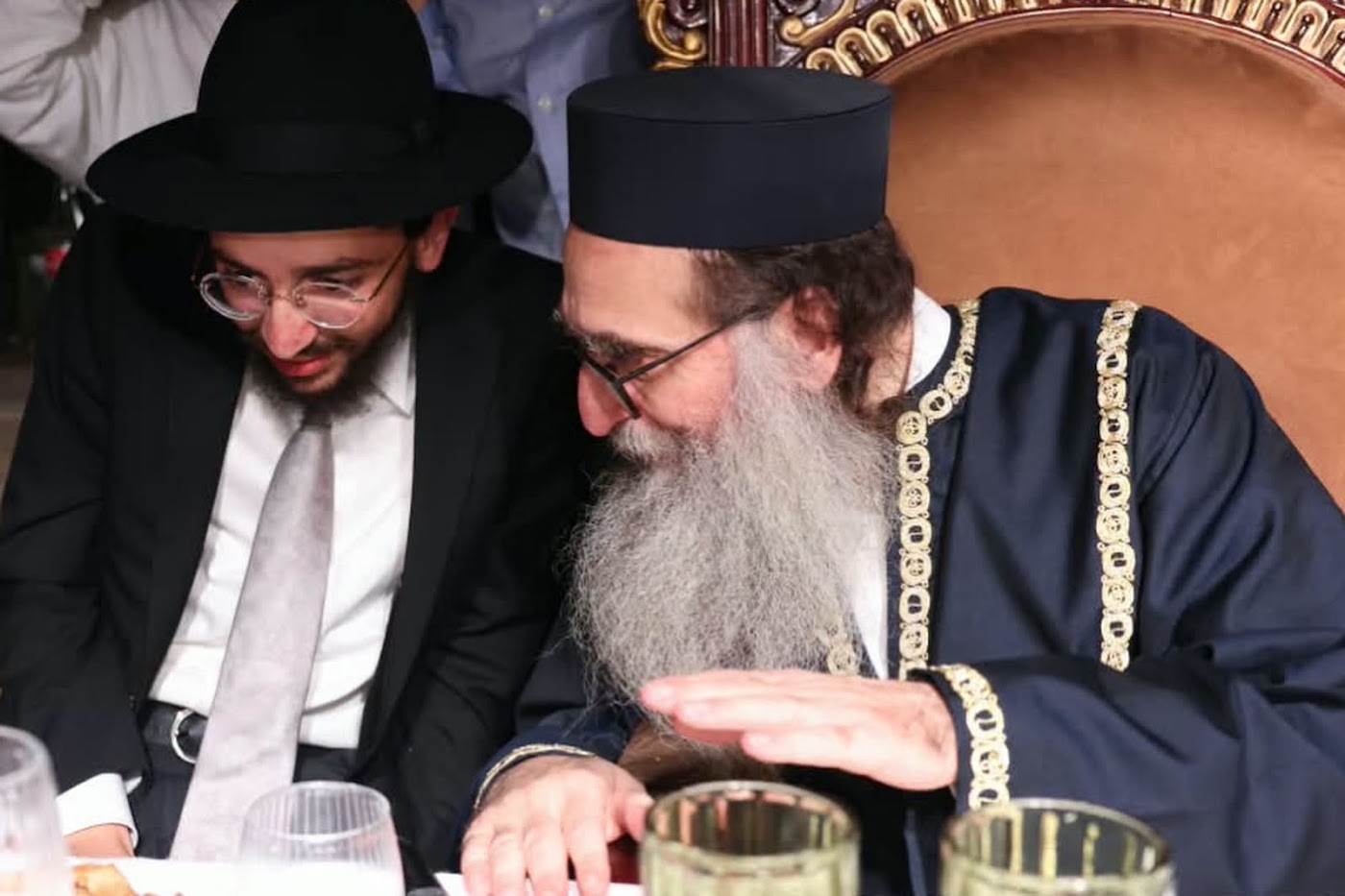
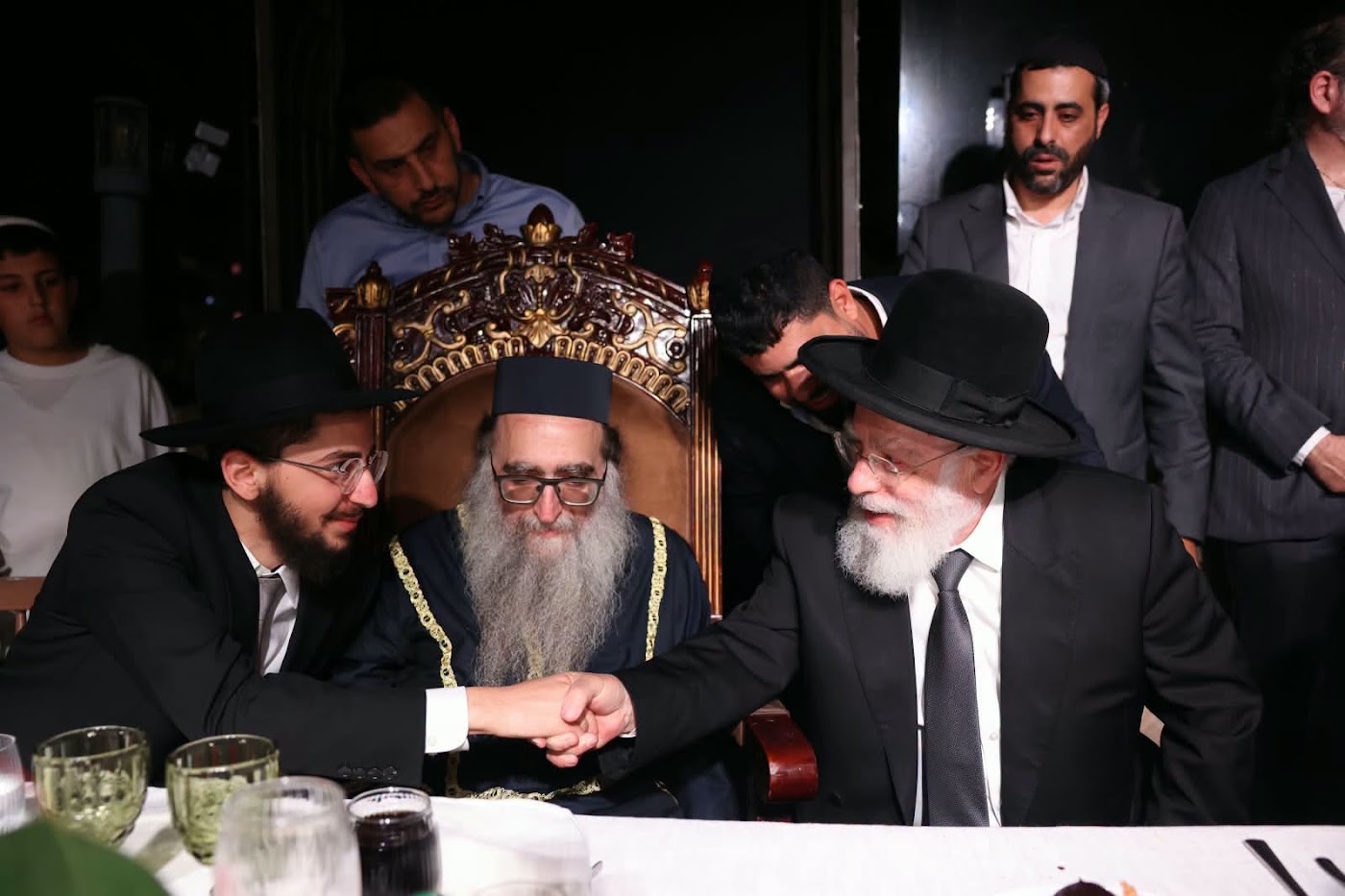
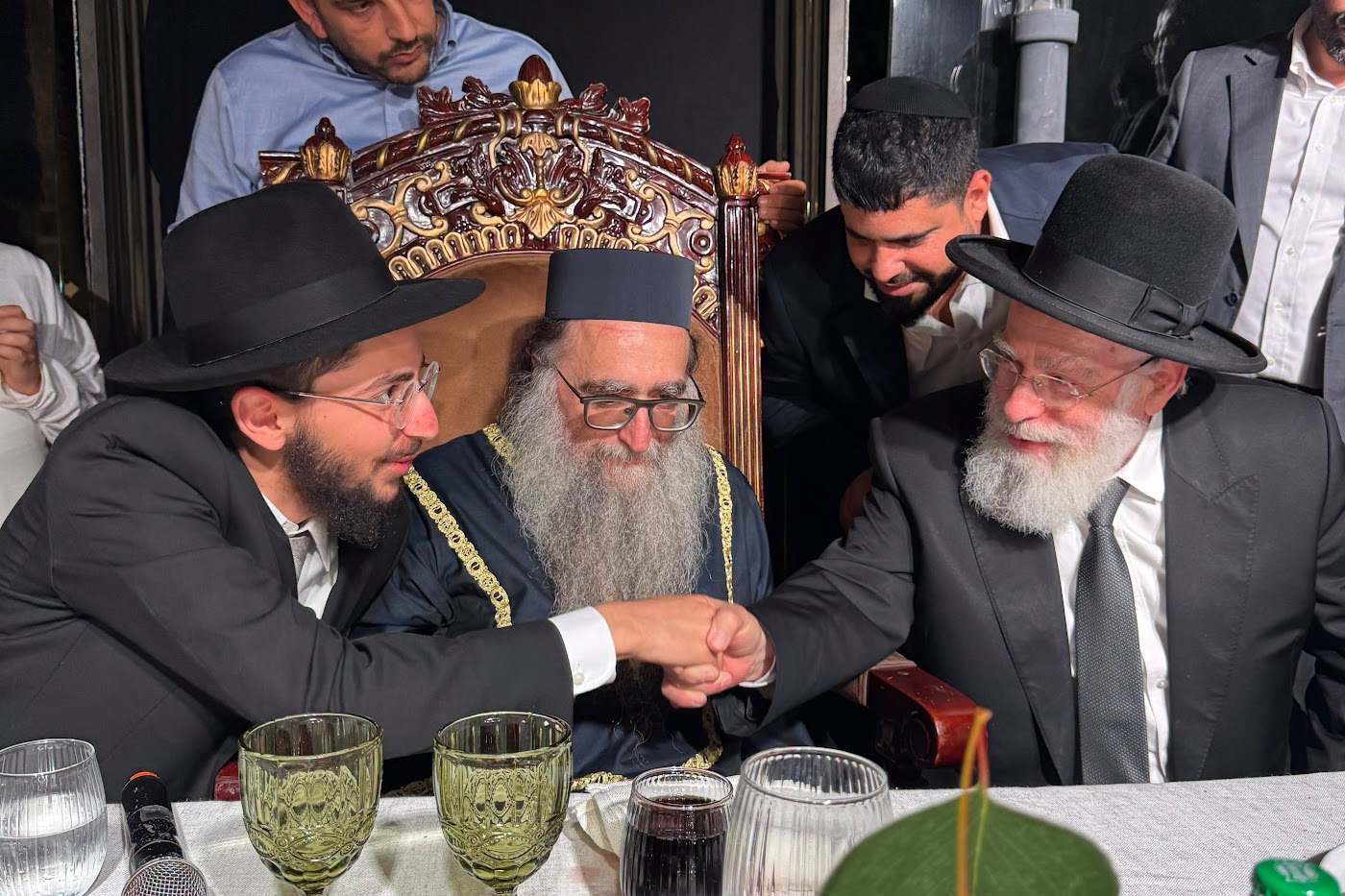
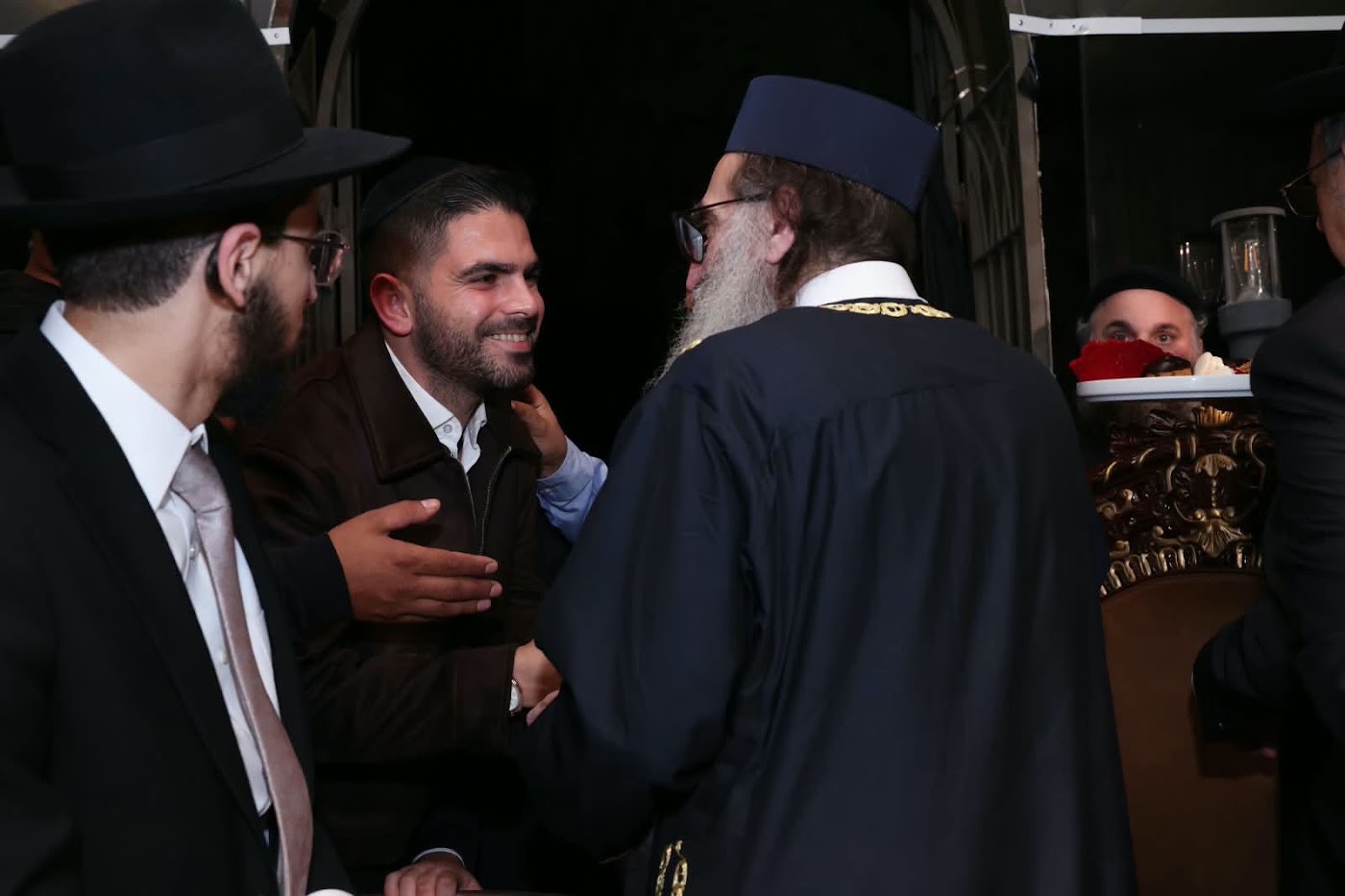
PICTORIAL CHRONICLE
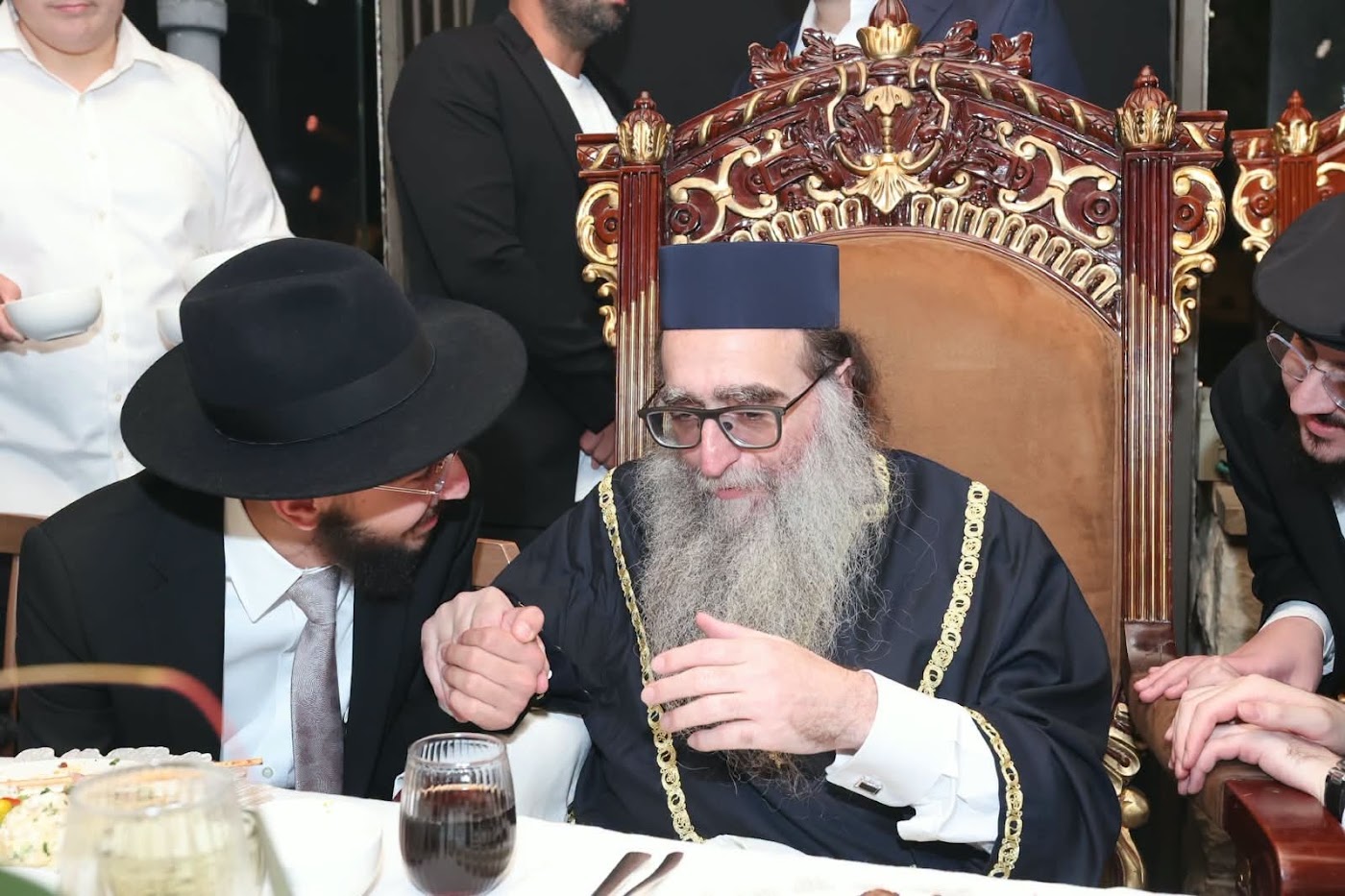
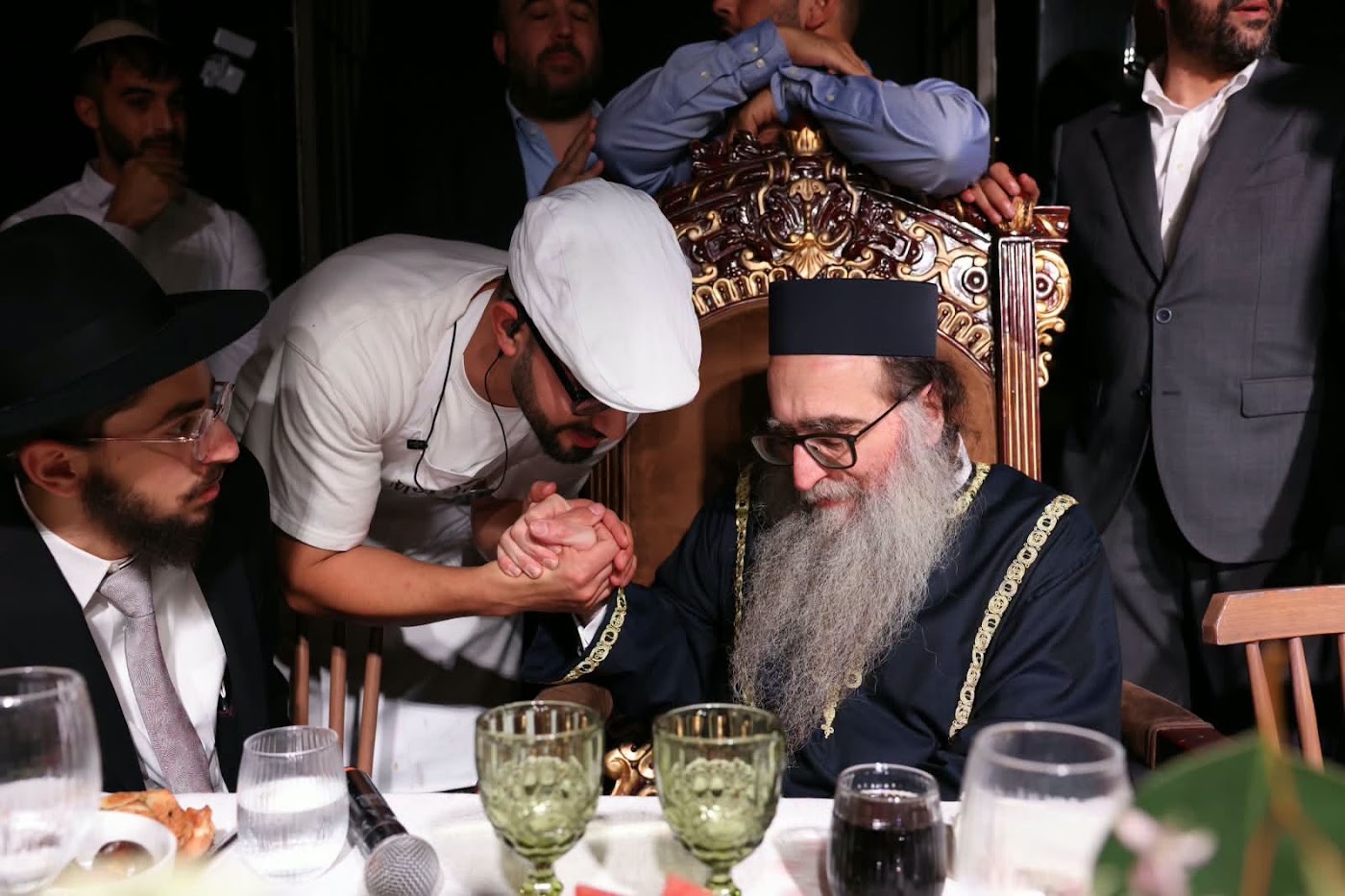
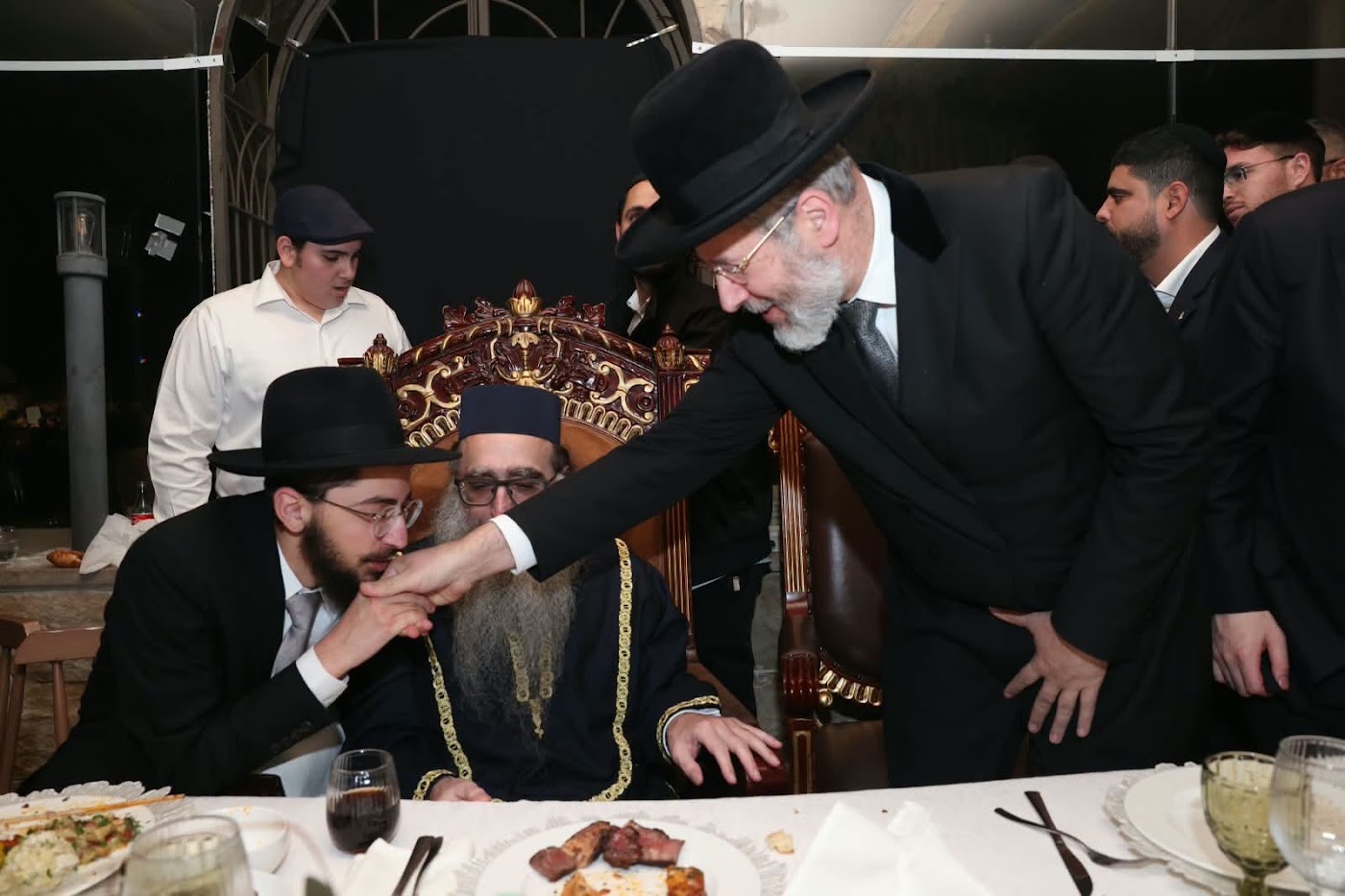
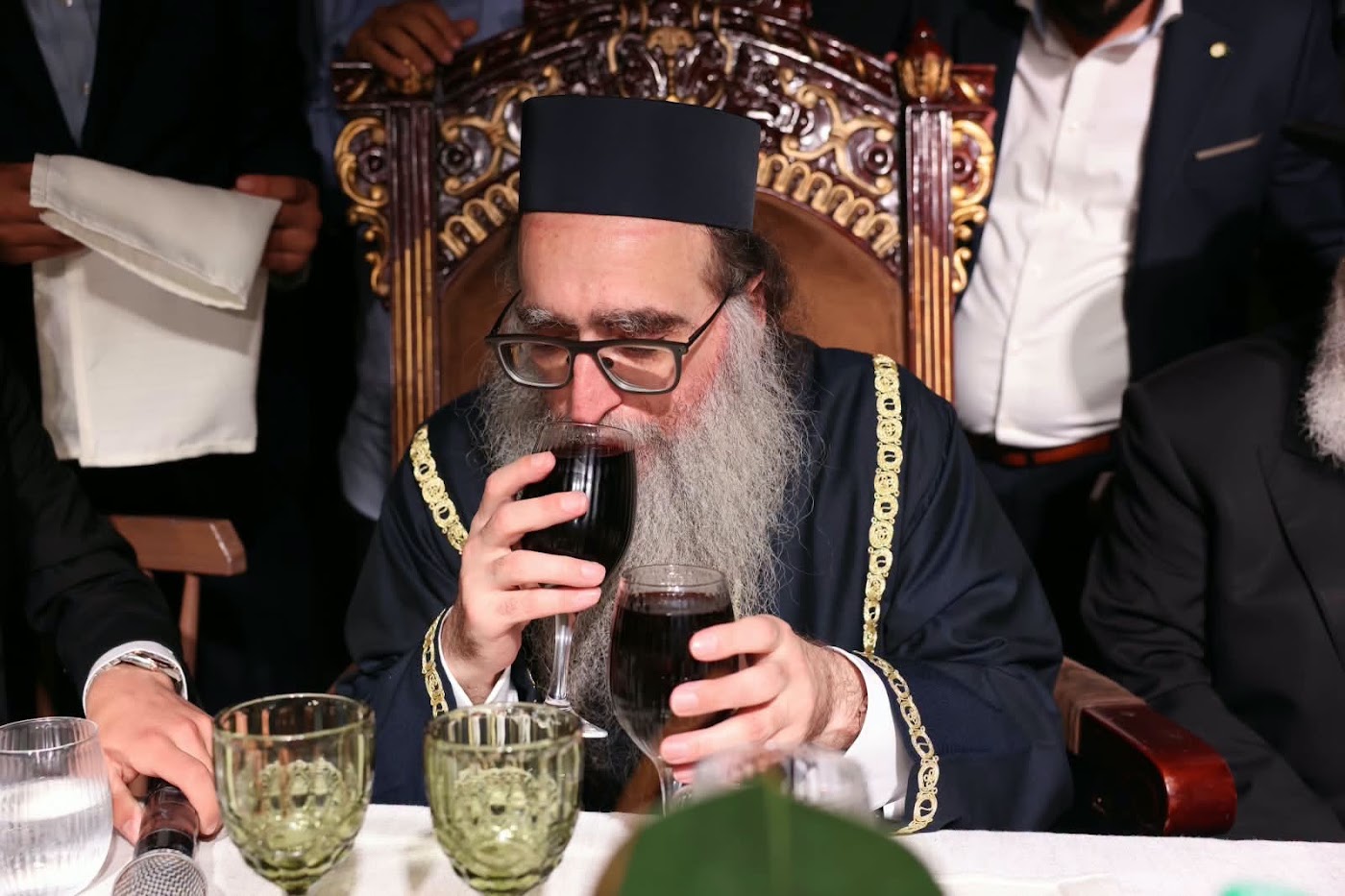


Our Vision
“To revive the 2,000-year-old Jewish history of Morocco with dynamic Yeshivot, Midrashot, and especially Kiruv — embracing everything from Mikves and Kashrut to in-depth Torah learning and daily Tefilot.”
Study Torah in Morocco — For Free!
-
Full Scholarship (100% Free Tuition) -
On-site Full Boarding & Glatt Meals -
Intensive Daily Torah Lessons -
Yeshivah & Seminary Advanced Tracks
Address: Rue Misk, 9 Hay Riad, Rabat, Morocco
Apply / Inquire Now: +972 54-660-9744
Official Website: www.shouvaisrael.com
“The Vision of Ovadiah” (Ovadiah 1)
Some Ashkenazim have the custom to read from: “And yet My people waver” (Hoshea 1)
The connection to the Parsha: The Haftarah speaks about Esav’s constant hatred of Ya’akov. This hatred is described at length in the Parsha, when Esav headed towards Ya’akov with four hundred men, intending to harm him.
He is a Ba’al Teshuva
Laws of Shmirat HaLashon
An additional area of forbidden speech is reminding the past. Therefore, it is forbidden to expose someone’s past if the speaker or listener regards it as something negative, even if in actual fact it is not so.
Chazal tell us, “In a place where ba’alei teshuva stand, the completely righteous cannot stand” (Berachot 34b). It follows from this that there is nothing at all disparaging about being a ba’al teshuva. Nevertheless, it is forbidden to tell someone that so and so is a ba’al teshuva, if the speaker or listener deride ba’alei teshuva.
Dreams of Improvement
Listening to Heavenly Signals and Discovering the Eternal Merit of Torah Study and Encouragement
Often, a person is sent Heavenly signals in the form of dreams, and the purpose is to strengthen one’s Avodat Hashem. He must listen to the messages and reinforce his Torah and mitzvah observance.
A woman once told me that she dreamed that all her teeth had fallen out. Since this type of dream portends bad tidings (see Shulchan Aruch, Orach Chaim 288:5) for which one is required to fast in atonement, the woman asked what she should do. I instructed her to study the laws of taharat hamishpachah and improve her observance of them. She did as I told her, but the story does not end here.
The dream repeated itself, and once again the woman felt all her teeth falling out. She returned to me, agitated to the core. “What should she do now?” she wondered. I tried giving her various pieces of advice but nothing helped. Her dream kept returning, as frightening as ever. Finally, I told her the matter lay in her hands. She had to do some serious introspection and find the area which demanded improvement. This would surely cause her frightening dreams to cease.
That was what happened. After some time, the woman came back to tell me, “Honored Rav, my awful dream is long gone. Since the Rav advised me to improve, and I followed his instructions, I am no longer disturbed by my frightful dream.” “And in what area did you choose to improve?” I asked, curiously. “I undertook to improve my love for Torah. Likewise, I encouraged my husband to set fixed times for Torah study. Every evening, I joyfully send him off to learn.”
Chazal teach (Berachot 5a): “If a person is met with suffering, he should search his deeds, as the verse says (Eichah 3:40), ‘Let us search and examine our ways and return to Hashem.’ If a person searched but found nothing wrong, he should attribute his suffering to bitul Torah, as the verse says (Tehillim 94:12), ‘Praiseworthy is the man whom G-d disciplines, and whom You teach from Your Torah.’“
ETERNAL DIVIDENDS
An eminent accountant once came to visit the Gaon Rabbi Aharon Leib Shteinman zt”l. He looked around at the old, dilapidated house, at the extreme poverty, at the simple bed that served Rav Shteinman his entire life and could not stop himself: “The Honorable Rav should move to a different apartment for a few days and I will organize deluxe renovations. I will turn this home into a beautiful abode, as fitting the status of a Torah leader!”
Harav Shteinman smiled. This was not the first time that people were astounded at the simplicity of his home. He asked the notable gentleman to take a seat and then asked him, “In the capacity of your work as a senior accountant, please tell me. If I am offered a deal that will yield ten percent profit and a deal that will yield one hundred percent profit, which should I choose?” He smiled and answered, “Nu, an easy question. Of course, you should go for the deal that promises a profit of one hundred percent!”
“This is what I am doing”, Harav Shteinman replied. “Investing in the house where I am spending my short life is an investment with low profit, too low to be worth the investment. I invest only in things that will generate one hundred percent profit; eternal life. Spiritual investment is one that insures one hundred percent profit, for eternity. I only go for choice investments!”
THIS WEEK
- 19 Kislev Rabbi Dov Ber, Maggid of Mezeritch
- 20 Kislev Rabbi Yitzchak Hutner
- 21 Kislev Rabbi Rafael Bardugo
- 22 Kislev Rabbi Eliezer Ashkenazi, author of ‘Ma’asei Hashem’
- 23 Kislev Rabbi Ben-Zion Alfes, author of ‘Ma’ase Alfes’
- 24 Kislev Rabbi Massod Shitrit, the ‘Baba Sidi’
- 25 Kislev Rabbi Avraham Harari-Raful, a Sage from Aram-Tzova
Parshat Vayishlach
| City | Start | End | City | Start | End |
|---|---|---|---|---|---|
 Rabat |
18:00 | 18:59 |
 New York |
16:12 | 17:15 |
 Jerusalem |
15:55 | 17:15 |
Philadelphia |
16:19 | 17:21 |
|
Haïfa |
16:14 | 17:14 |
San Francisco |
16:33 | 17:35 |
|
Tel Aviv |
16:16 | 17:16 |
Seattle |
16:03 | 17:13 |
|
Baltimore |
16:26 | 17:28 |
 Montreal |
15:56 | 17:03 |
|
Boston |
15:56 | 17:00 |
Toronto |
16:25 | 17:30 |
|
Chicago |
17:03 | 18:07 |
 Melbourne |
20:04 | 21:10 |
|
Los Angeles |
16:26 | 17:25 |
 London |
15:39 | 16:54 |
|
Miami |
17:11 | 18:06 |
Manchester |
15:39 | 16:57 |
