
March 16, 2026
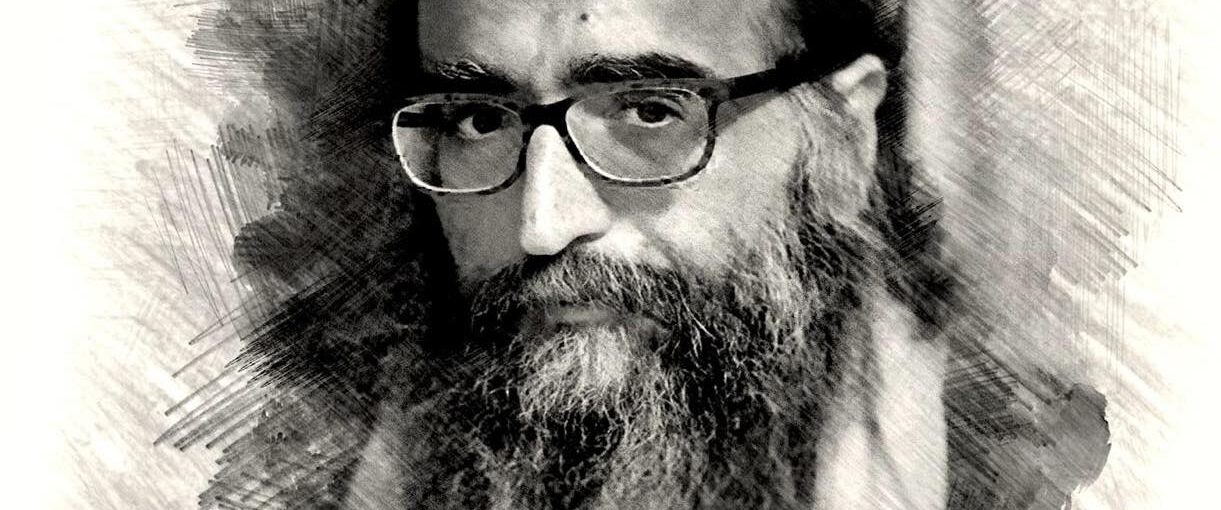
Based on a Shiur by Rabbi Yoshiyahu Pinto, Shlita
As we step into the sacred month of Nisan, we are met with a profound spiritual truth handed down by our sages: “In Nisan we were redeemed, and in Nisan we are destined to be redeemed.”
This month pulses with the energy of salvation. On a communal level, the Jewish people possess the power of redemption, and on a personal level, every individual has the potential to experience a great salvation in their own lives. However, to unlock this divine abundance, we are tasked with a unique and powerful mitzvah, one that exists only in this month: Kimcha D’Pischa (literally, “flour for Passover”).
In a recent shiur, Rabbi Yoshiyahu Pinto, Shlita, unraveled the deep spiritual mechanics behind this ancient practice, explaining why it is the ultimate key to livelihood, joy, and heavenly assistance.
What is Kimcha D’Pischa?
Mentioned first in the Jerusalem Talmud and elaborated upon by the early authorities (Rishonim) in Tractate Bava Batra, Kimcha D’Pischa refers to the communal fund used to provide the poor with matzah, food, and provisions for the Passover holiday.
Our holy sages teach that this is not just another act of charity. It is an extremely weighty mitzvah. In fact, the Rama rules in Jewish law that a community can actually compel its members to give to Kimcha D’Pischa. Why the strictness? Because when the Children of Israel left Egypt, they made a covenant with one another: they swore to always care for each other.
A Jew cannot sit at the Seder table, rejoicing in their freedom, while another Jew is hungry and unable to celebrate. True freedom is a collective experience.
The Spiritual Mechanics: An Awakening from Below
The Holy One, blessed be He, has hidden the spiritual “secrets” behind many mitzvot. We observe them simply because He commanded us. However, regarding Kimcha D’Pischa, the sages have revealed its secret: It is a mitzvah that directly opens the gates of Heaven for the greatest abundance.
How does this work? The holy books describe two types of spiritual awakenings: an awakening from above (when God sends blessings down unprompted) and an awakening from below (when human actions trigger God’s mercy).
When a person takes from their own pocket to ensure a fellow Jew can celebrate Passover, they create a powerful awakening from below. You become a redeemer. You rescue your friend from stress and hunger. In response, Heaven mirrors your actions: God opens the ultimate gates of elevation and showers you with blessings, salvation, and a limitless livelihood.
Furthermore, the mystical texts explain that giving Kimcha D’Pischa makes you a partner with God in the salvation of the year. The spiritual foundation for the entire year’s blessings is set on the Seder night. By ensuring others can participate in the Seder, you secure your own share in the annual flow of divine salvation.
The True Meaning of the Haggadah
Every year at the Seder, we recite the famous declaration: “Let all who are hungry come and eat, let all who are in need celebrate Passover.”
The commentators ask a brilliant question: Is this just an empty statement? Our doors are closed, we are sitting in our private homes—who exactly are we inviting at that moment?
The answer is profound. A person must give Kimcha D’Pischa in the days leading up to Passover. Then, when they sit at the Seder and say, “Let all who are hungry come and eat,” they are referring directly to the charity they already gave. Because of their contribution, the hungry are eating. The statement is not an empty wish; it is a reality they helped create.
Refined Silver and Halachic Care
Rabbi Pinto, Shlita, quoting the teachings of his holy ancestors and sages like Rabbi Yaakov Abuchatzeira (in Pituach Kachotem and Machsof HaLavan), emphasized the purity required in this mitzvah.
Kimcha D’Pischa is referred to as “refined and purified silver.” Why? Because the money is used to fulfill sacred Torah commandments: the eating of Matzah, the drinking of the Four Cups, and the joy of the holiday.
Because of its holiness, one must be incredibly meticulous:
-
Keep it Separate: You cannot mix Purim charity (Matanot LaEvyonim) with Passover charity. They are completely separate mitzvot.
-
Beyond the Tithe: While halachically one can use their regular tithe (Ma’aser) for this, Rabbi Pinto advises that a person should strive to give to Kimcha D’Pischa in addition to their regular tithes.
-
Integrity of Funds: The money must go directly to the poor to make them feel truly free and comfortable. If charity is mismanaged or handled without the proper fear of Heaven, it loses its ability to draw down the ultimate blessings.
The Lesson of the Vilna Gaon
To illustrate the weight of this mitzvah, Rabbi Pinto shared a powerful story about the Vilna Gaon. The Gaon was known for sitting within his four cubits, entirely immersed in Torah study, rarely getting involved in communal disputes.
However, one year, the poor came to him weeping. The community funds were low, and instead of giving the poor high-quality, proper matzot, the administrators had given them simple, sub-par matzot to save money.
The Vilna Gaon immediately intervened. He pointed to the spelling of the word Matzot in the Torah. In one verse, it is spelled without the letter vav (מצת – implying something lacking), while in another verse regarding the festival day, it is spelled with the vav (מצות – implying completeness).
The Gaon admonished the community leaders: “If you have no money, YOU eat the matzah without the vav—you will manage. But the poor, who have nothing, must be given the matzah with the vav! They must receive it in completeness.” You must feed the poor before you feed yourself.
A Call to Action
For 33 years, the Shuva Yisrael movement has treated the mitzvah of Kimcha D’Pischa with the utmost reverence, fear of Heaven, and meticulous organization. Just as the Half-Shekel is distributed with perfection, the Passover charity is managed with absolute integrity, ensuring that both physical supplies and financial support reach those who need it most.
When charity is handled with such holiness, it transcends the physical act. It ascends to Heaven perfectly arranged, bringing down the most immense blessings, peace, and salvation to the giver.
As we approach the Seder night, let us make sure we are true partners with Hashem. Let us give generously to Kimcha D’Pischa, creating an awakening from below, so that we may all merit a joyous, kosher, and overwhelmingly blessed Passover.
May we all experience success, joy, and the great merit of absolute redemption this Nisan!
