Make a Difference This Purim
As we approach Purim, let’s remember the power of community by fulfilling the mitzvah of Machatzit HaShekel, Mishloach Manot & Matanot La’evyonim. Whether you’re giving for yourself, your children (even those unborn!), or in memory of loved ones, your contribution makes a meaningful difference.
Machatzit Hashekel Donation
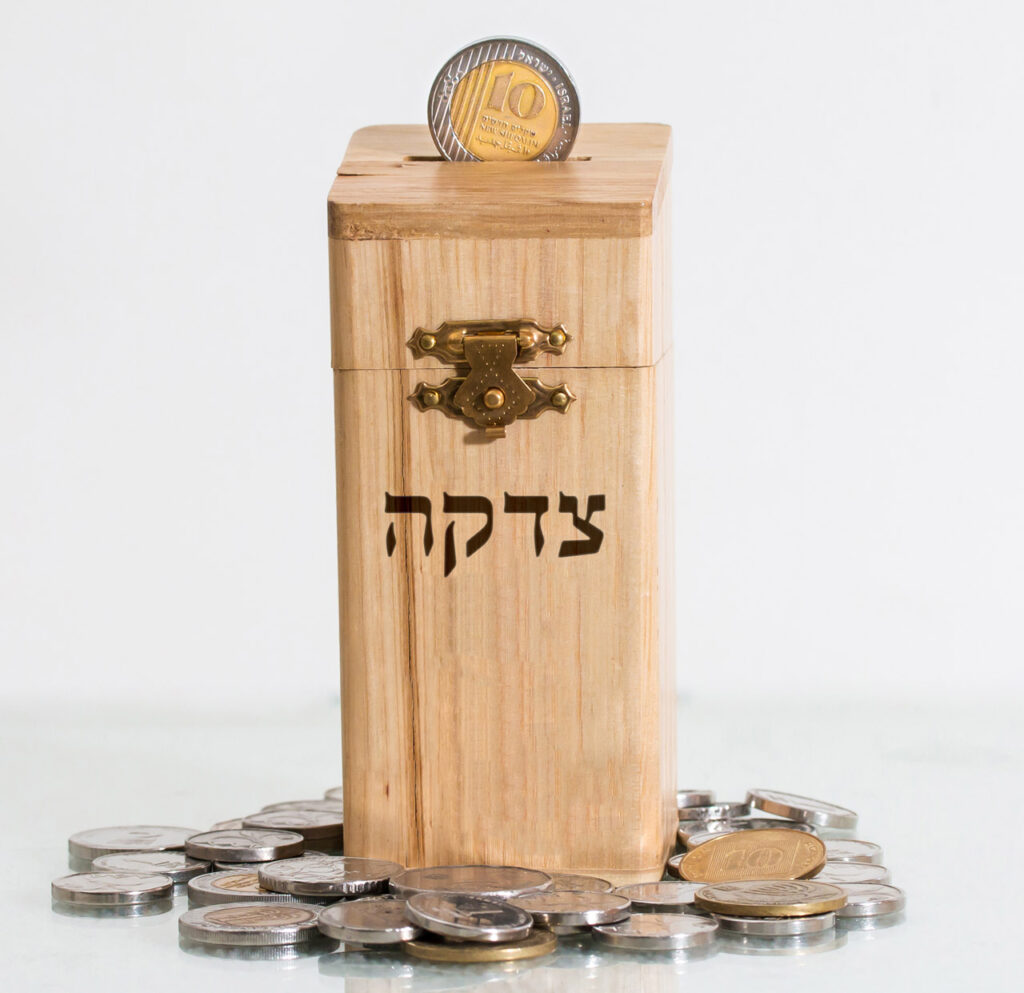
On Taanit Esther—the “Fast of Esther”—it is customary to give the Machatzit HaShekel, or “half-shekel,” to charity before the Mincha prayer. The amount given represents half of the standard currency in your country.
For example:
– In the USA, the suggested donation is approximately $9.36.
– In Israel, it is 29 Shekels.
Guidelines for Giving:
- Three Coins: It is customary to give three coins as the word Terumah (lit. an offering) is mentioned three times at the beginning of Parshat Ki Tisa (Exodus 30:11-34:35). If you miss giving it before Mincha, you can still fulfill this custom by donating:
– After Mincha,
– Before the Megillah reading on Purim night, or
– Before the Megillah reading on Purim morning. - Maaser Funds: It is important not to use money from your Maaser (tithes) to fulfill the obligation of Machatzit HaShekel.
- On Behalf of Children:
– A father who begins giving the Machatzit HaShekel on behalf of his young children should continue doing so every year until the child is old enough to take on the responsibility themselves. This obligation continues unless the father explicitly stated when he first gave that he was not accepting it as a vow.
– Additionally, a father should also give the Machatzit HaShekel on behalf of his unborn child during the mother’s pregnancy. - Supporting Torah Learning: It is customary to direct these charitable donations toward institutions that promote Torah learning.
————————————-
By participating in this meaningful tradition, we connect with our heritage and support worthy causes that strengthen our community.
Mishloach Manot & Matanot La’evyonim
There are also two special mitzvot we focus on: giving gifts to friends and providing for those in need. Here’s what you should know about these meaningful traditions:
1) Mishloach Manot: This mitzvah is fulfilled by sending at least two different types of ready-to-eat foods to a friend. It’s important to carry out this mitzvah specifically on Purim day.
2) Using a Messenger: There’s a beautiful custom to send Mishloach Manot through a third person, as the term “Mishloach” is connected to the idea of a messenger, or “shaliach.”
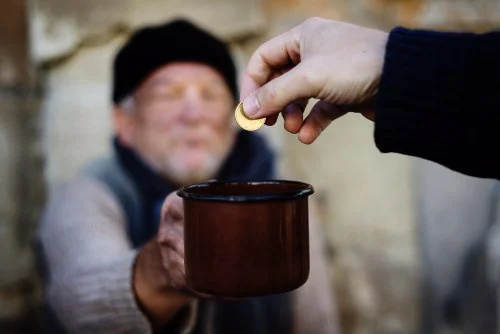
3) Matanot La’evyonim: On Purim, we’re required to give charity to at least two individuals in need. The amount should be enough to cover the cost of a simple meal, like a fast-food meal.
4) Individual Responsibility: Unlike some mitzvot, this one isn’t a family obligation. Each person is responsible for fulfilling it themselves.
5) Delegating the Giving: While it’s ideal to give directly to those in need, you can also entrust a community representative to distribute the funds, as long as they reach the intended recipients on Purim day.
6) A Unique Mitzvah: Matanot La’evyonim is a special act of kindness that shouldn’t be deducted from the regular tzedakah (charity) you set aside throughout the year.
7) Prioritizing the Poor: As Maimonides teaches, it’s better to spend more generously on helping the needy than on lavish Mishloach Manot, which could come at the expense of supporting those who truly depend on our generosity.
Each year, Rabbi Yoshiyahu Pinto personally ensures that hundreds of vulnerable individuals—elderly people, low-income families, Holocaust survivors, single mothers, and others—are provided with food and financial assistance on Purim. These efforts bring warmth and support to those who need it most.
We invite you to take part in this incredible mitzvah and help us brighten the lives of countless individuals facing hardship. By doing so, may this act of kindness bring blessings and protection into your life and the lives of those around you!